From January to June 2012, Supersonix brought together artists, scientists, musicians and researchers to explore the art and science of sound. Taking place across Exhibition Road and its surrounding cultural institutions, the international programme invited audiences to experience sound in new and unexpected ways through performances, experiments, workshops, lectures and interactive installations.
Supersonix was the first major project delivered by the Exhibition Road Cultural Group (ERCG) following the completion of the redevelopment of Exhibition Road. The project demonstrated the potential of collaboration between the area's leading cultural and educational institutions, creating opportunities for artistic experimentation, public participation and interdisciplinary exchange.
At the heart of Supersonix was an exploration of the relationship between music, sound, visual representation and the written word. Taking an arts and science perspective, the programme examined how sound can be created, experienced, interpreted and communicated.
The festival brought together participatory art experiences, live music events and large-scale sound experiments, supported by talks and discussions that encouraged audiences to explore the ideas behind the work.
Activities took place across the South Ken Culture Quarter, involving its museums, galleries and educational institutions, as well as nearby parks, squares and gardens. The programme also extended underground through a partnership with Art on the Underground.
The programme brought together three major strands of activity:
Three artists were invited to work within the South Ken Culture Quarter institutions, bringing their individual approaches to sound, music and creative experimentation.
Supersonix Visiting Professor
Since releasing his first album, 'Grey Scale', in 1976, David Cunningham has worked as a musician and record producer, collaborating with an eclectic range of artists and exploring different musical forms.
His work spans pop music, gallery installations, television, film and contemporary dance, alongside collaborations with visual artists. His installation practice explores how audiences experience the acoustic qualities of different spaces in real time.
During his Supersonix residency at the Royal College of Art, Cunningham placed students at the centre of his work. Through seminars and tutorials, he encouraged experimentation with sound, helped establish a working sound studio and collaborated with students to develop soundtracks for silent films, combining archival material with newly created work.
The resulting performance, 'Silents', featured as part of Supersonix and Music Day in June 2012.
Reflecting on the collaborative approach, Cunningham said:
'The performance ended up as being a way to collaborate with as many students as possible, as students are the USP of the College.'
Supersonix Artist in Residence
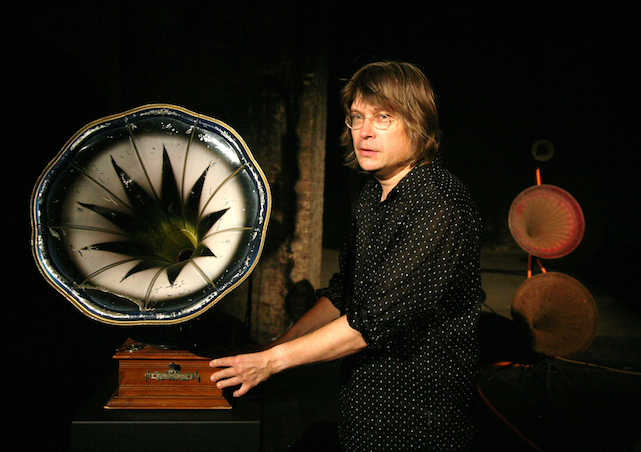
Aleksander Kolkowski is a London-based composer, violinist, sound artist and researcher. Over a career spanning more than 30 years, he has performed at major international festivals and recorded with a wide range of ensembles, bands and as a solo artist.
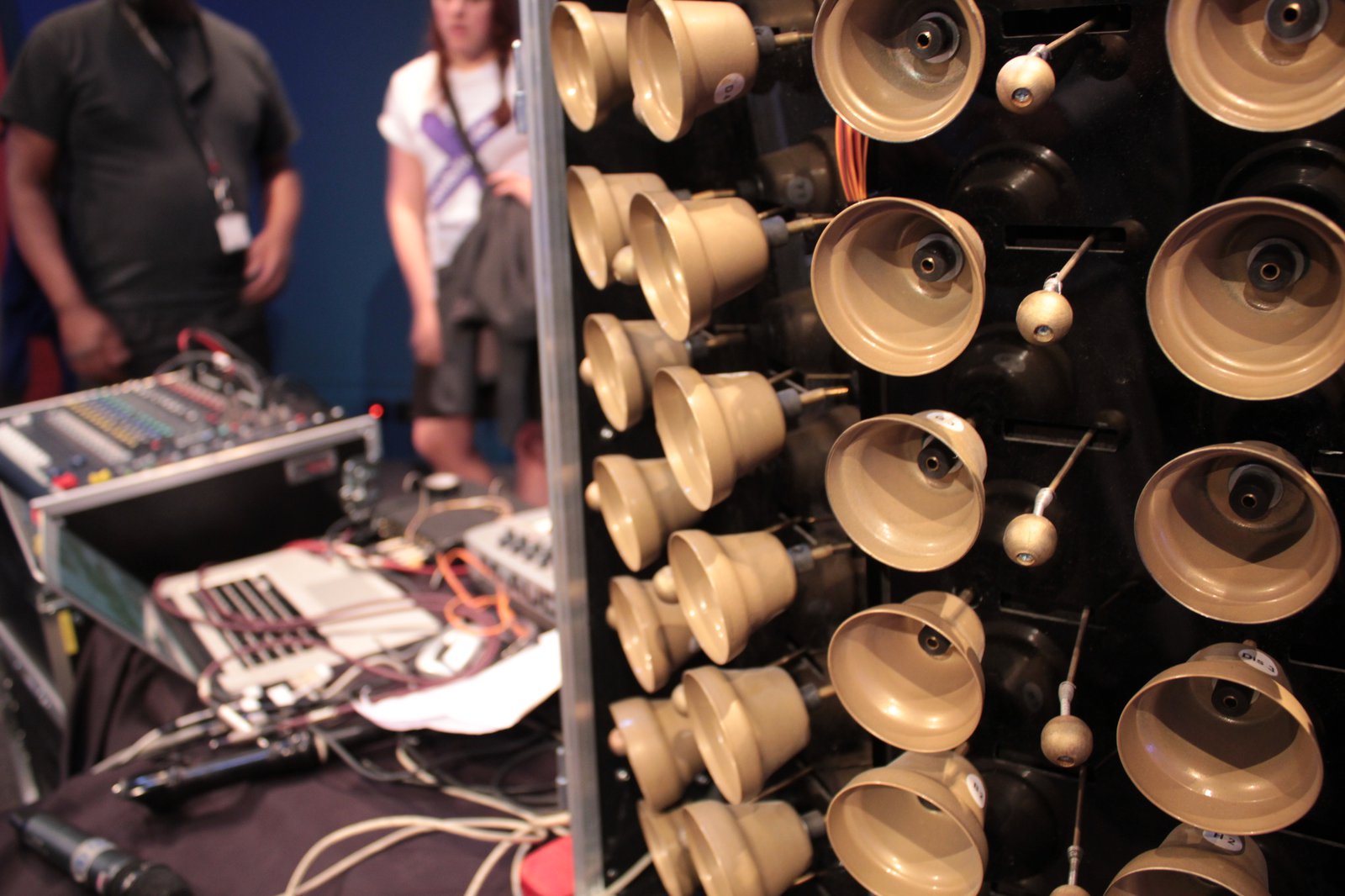
His research explores historical sound recording and reproduction technologies. Combining a collection of horned string instruments with gramophones and wax cylinder phonographs, Kolkowski creates contemporary music using mechanical and acoustic techniques.
The residency at the Science Museum gave Kolkowski new opportunities to engage with wider audiences and collaborate with museum staff.
He explained:
'I am reaching people I wouldn't normally reach – I usually perform to small audiences and people 'in the know'.'
The residency attracted significant public interest. Around 3,000 people visited the museum for its Science Museum Lates programme, while almost 100 attended Kolkowski's studio performances. His 'Babble Machine' installation, presented in November 2012, attracted a further 240 visitors during one evening.
Supersonix Artist in Residence
Jason Singh is a multidisciplinary artist whose practice combines beatboxing, vocal sculpting, sound art, DJ-ing, poetry, percussion and composition. Born in London and based in Manchester, he has performed and exhibited internationally across theatre, festivals, galleries, radio, television and live events.
His work focuses on creating innovative experiences through performance, participation and collaboration.
During his residency at the V&A South Kensington, Singh had the opportunity to experiment with new ideas, collaborate with musicians and develop creative work within the museum environment.
Reflecting on the experience, he said:
'The residency provided a huge opportunity: to be in London; try new stuff out; collaborate with new musicians; explore fresh ideas... Just being in the space for six months, with everything set up, I could invite people in and work with them. It was gold dust!'
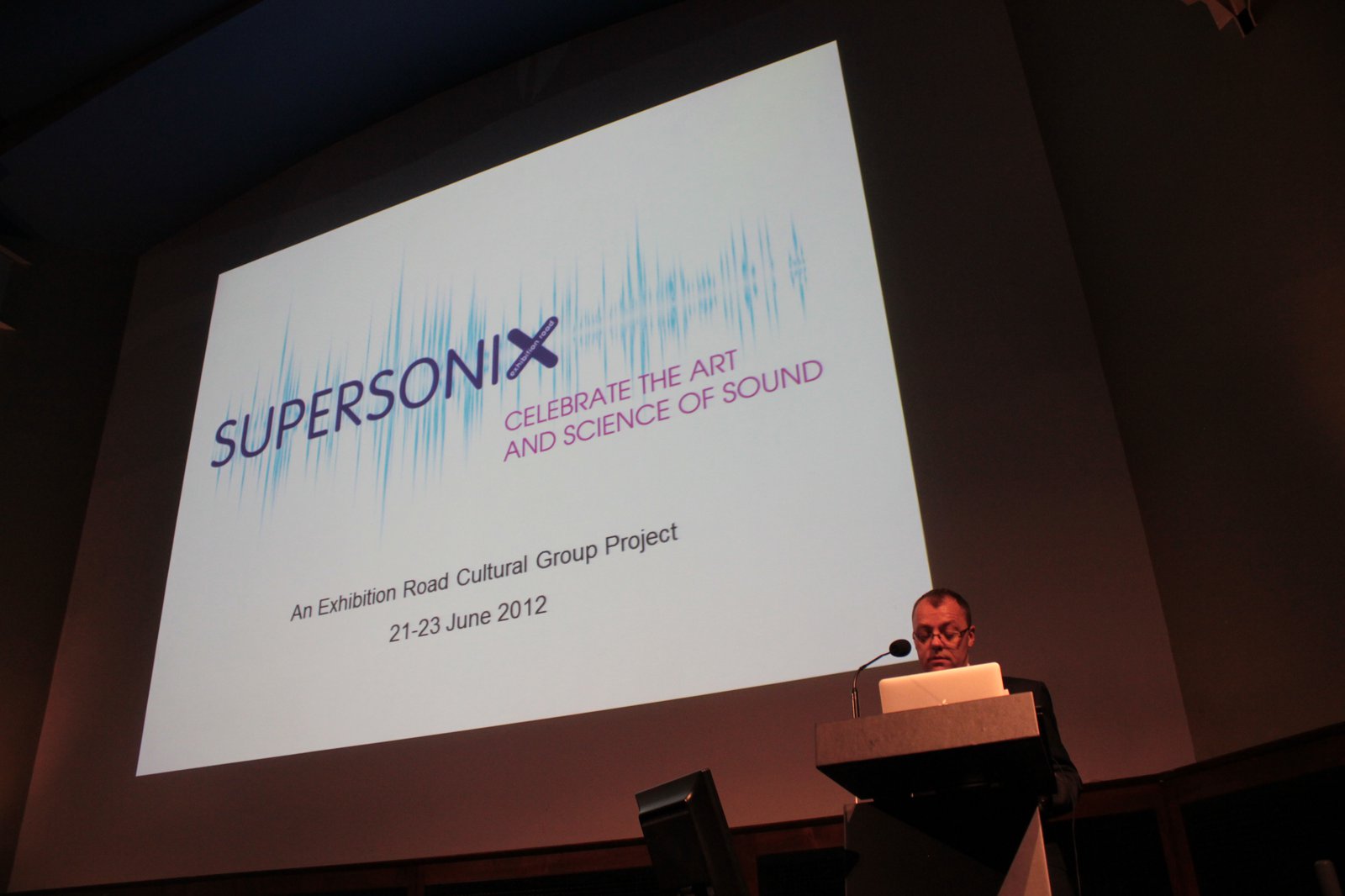
Held from 21st-23rd June 2012, the Supersonix International Conference brought together artists, scientists and practitioners to explore the complexity of sound through theoretical research, artistic practice and scientific experimentation.
The conference examined how sound is experienced, understood, captured and represented, creating a space for different disciplines to exchange ideas and approaches.
Developed in partnership with the Society for Literature, Science and the Arts Europe, the conference welcomed 300 participants from across the fields of sonic art and science.
The programme combined academic discussion with practical experimentation, encouraging participants to consider the connections between creative practice and scientific research.
Explore the original conference programme HERE.
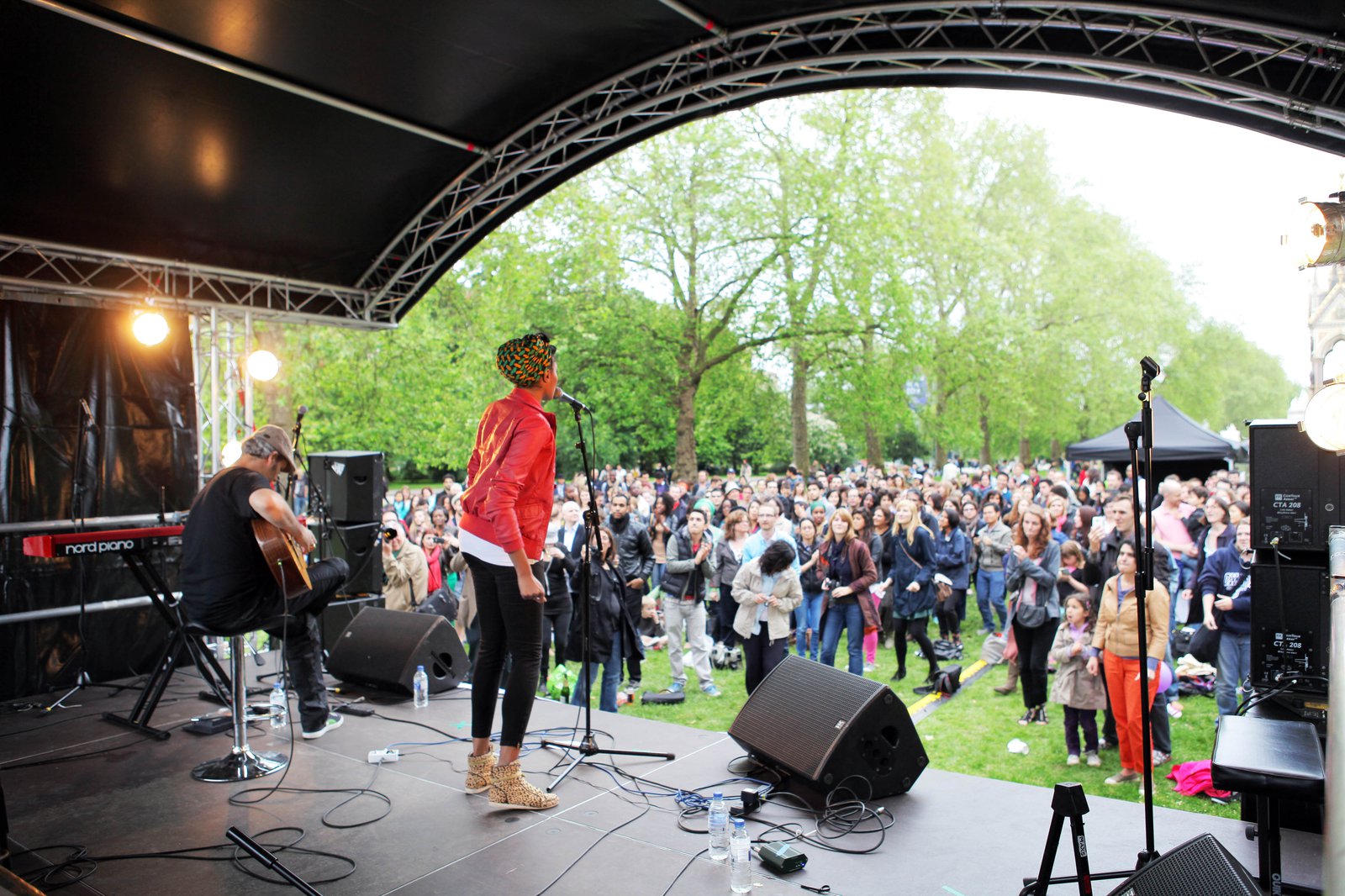
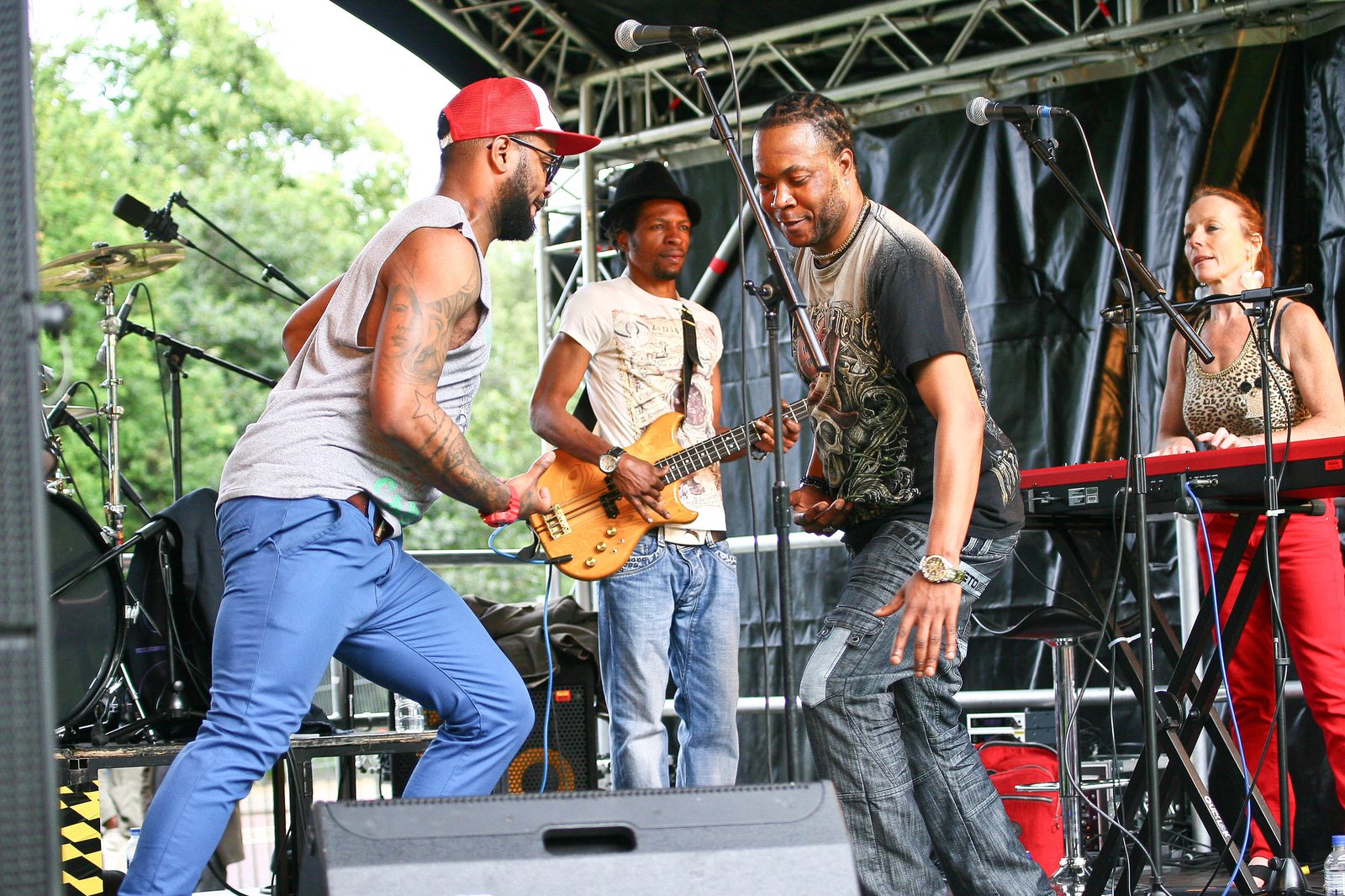
On 23rd June 2012, Supersonix culminated in Music Day, a free, day-long celebration of music and sound across Exhibition Road and its surrounding cultural spaces.
The event brought performances into some of the area's most recognisable indoor and outdoor venues, including a World Music stage in Kensington Gardens. It offered audiences an opportunity to experience a diverse programme of music and sound in the heart of London's cultural quarter.
Read the Music Day 2012 report HERE.
Supersonix demonstrated the power of sound as a theme for bringing cultural institutions together. It created unexpected connections between organisations, attracted new audiences and introduced visitors to different ways of experiencing museums, collections and public spaces.
The artist residencies were particularly valued by the participating institutions, especially the Science Museum and V&A South Kensington. Both museums had previously focused their residency programmes largely on visual art, literature, craft and design. Through Supersonix, sound became a new creative language for exploring their collections and spaces.
The project also highlighted practical challenges, particularly around accommodating live performance and sound-based installations within museum environments.
Perhaps most significantly, the residencies changed perceptions of the role museums and their collections could play in contemporary creative practice. As the evaluation noted, the project had, at its best, 'changed people's perceptions of what museums and collections are all about'.
At the Royal College of Art, Supersonix also influenced the curriculum, teaching spaces and student experience, demonstrating the potential for artistic collaboration to have a lasting impact beyond the festival itself.
Overall, Supersonix provided a valuable example of how cultural institutions can work together to support artistic experimentation, encourage public engagement and create new connections between art and science.
As the first major project delivered by the Exhibition Road Cultural Group following the redevelopment of Exhibition Road, Supersonix set an important precedent for collaborative cultural programming across the area.
By bringing together artists, researchers, students, cultural organisations and the public, the project demonstrated how interdisciplinary programmes can open up new ways of thinking about collections, public spaces and creative practice.
It remains an important example of the opportunities created when arts, science and culture come together.