The project brought together three innovative green installations on Exhibition Road, demonstrating how sustainable design, planting and biodiversity could transform public spaces in the heart of South Kensington.
Working with three cultural partners - V&A South Kensington, the Science Museum and Goethe-Institut - the winning teams developed proposals designed to create habitats for wildlife, reconnect visitors with nature and support the recovery of London's arts and science district.
The installations were scheduled to be in place from late July until October 2021, alongside a pedestrian trail connecting them with other planting and green spaces across the district.
A total of three design teams were selected to bring their proposals to life, each taking a distinctive approach to sustainability, community engagement and urban biodiversity.
Seyi Adelekun's practice explores how involving people in the creation of spaces can improve wellbeing and empower communities. Her work sees public art as an accessible way to engage wider audiences with important social and environmental issues.
For the South Ken Green Trail, Seyi collaborated with Wayward, a London-based landscape, art and architecture practice.
Since 2006, Wayward has pioneered creative approaches to underused land, transforming neglected sites into large-scale, design-led spaces that connect people with plants and engage local communities. Its work combines landscape, art and architecture to create places that inspire audiences locally and internationally.
Together, Seyi Adelekun and Wayward brought a community-focused approach to the project, exploring how thoughtful design can make nature more visible and accessible in a busy urban environment.
Mizzi Studio is a design practice based in London and Valletta, bringing together expertise in architecture, interior design and industrial design.
The studio believes in the power of design to enrich people's lives and improve the environments in which they live. Its projects seek to create positive social and environmental impact, add tangible value and make public spaces healthier and more vibrant.
Drawing inspiration from natural processes, Mizzi Studio combines craftsmanship and technology to develop architecture that responds to its surroundings.
For the South Ken Green Trail, the studio brought this nature-inspired approach to its collaboration with the Science Museum, exploring how an engaging public installation could support biodiversity while offering visitors a distinctive experience.
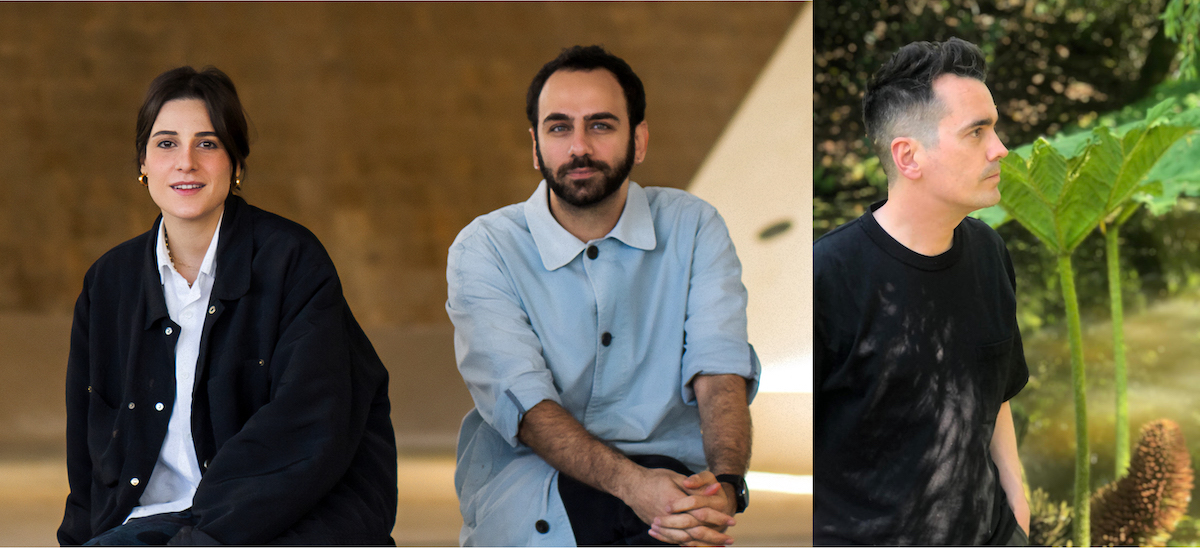
Urban Radicals began in 2019 as a collaboration between architect Nasios Varnavas and designer Era Savvides. Working across disciplines, the studio brings together different skills and perspectives to create projects rooted in their local context.
Its approach considers architecture through a range of lenses, including ecology, economics, storytelling, community and craft.
For the South Ken Green Trail, Urban Radicals collaborated with Adam Harris, a landscape architect and project manager at Millimetre. Adam is passionate about native wildflowers and creating urban spaces that support biodiversity. His work explores how a stronger connection with natural processes can benefit both cities and people's wellbeing.
The team also worked with Aerotrope, a specialist wind energy consultancy founded by Chris Hornzee-Jones, bringing additional expertise to the project.
The South Ken Green Trail was designed to encourage visitors to rediscover South Kensington and explore the district's diverse cultural attractions, public spaces and green areas.
Beyond creating visually striking installations, the project aimed to support the longer-term recovery of the area by testing new approaches to public-space design and community engagement. It sought to reach audiences who might not ordinarily visit South Kensington's cultural institutions, making the district more welcoming and accessible.
The trail also connected with the cultural partners' programmes in the run-up to COP26, the United Nations Climate Change Conference hosted by the UK in November 2021. Responding to growing public interest in nature and green spaces following the COVID-19 lockdowns, the project highlighted the importance of urban biodiversity and local initiatives such as Kensington and Chelsea Council's Bee SuperHighway.
By combining design, planting and environmental research, the South Ken Green Trail showed how temporary installations could encourage people to think differently about the relationship between nature and the built environment.
The competition partners encouraged the winning teams to consider what would happen to their installations after the trail ended.
Plans were developed to reuse or recycle materials wherever possible, helping to reduce waste and extend the project's environmental benefits. A local school had already expressed an interest in receiving some of the plants and structures.
This focus on the installations' afterlife reflected the wider aims of the competition: to demonstrate how sustainable design can create meaningful public experiences while making responsible use of materials and resources.
The competition attracted 87 entries following an open call to architects, designers, students and recent graduates. Applicants were invited to explore how planting, greenery and biodiversity could be creatively integrated into Exhibition Road's public realm, reclaiming space for nature amid the bustle of London.
Each of the three winning teams received £20,000 to deliver its installation, including a £3,000 design fee.
The winning proposals were selected by an expert panel representing architecture, design, culture, sustainability and biodiversity.
The judging panel included:
The panel was chaired by Rosa Rogina, Programme Director at New London Architecture. Additional advisers were Emily Candler, Executive Director of Exhibition Road Cultural Group, and Tom McCarter, Wildlife Garden Manager at the Natural History Museum.
The South Ken Green Trail formed part of the London Festival of Architecture's year-round programme of public-realm interventions and the Kensington + Chelsea Festival.
The festival brought together local, national and international artists, communities and organisations for a programme of creative experiences across the borough's cultural venues and public spaces. It also provided opportunities for artists and creative professionals to reconnect with audiences after a challenging period for the sector.
Through collaborations between designers, cultural institutions and environmental specialists, the South Ken Green Trail reflected the spirit of exchange that makes South Kensington such a distinctive destination for arts, science and innovation.
Rosa Rogina, Programme Director at New London Architecture and the London Festival of Architecture, said:
'We were delighted to receive so many diverse and high-quality entries to this important design competition, and we are thrilled to reveal such a strong group of teams who will now take their ideas forward with their cultural institute partners.'
She also highlighted the project's connection to the London Festival of Architecture's 2021 theme of 'care', explaining its role in promoting care for nature and creating an accessible public-realm experience as South Kensington welcomed people back to its streets and public spaces.
Emily Candler, Executive Director of Exhibition Road Cultural Group, said:
'It is exciting to see the designs developing which will create beautiful and meaningful experiences for visitors and attract wildlife this summer.'
She described the collaboration between architects, designers, plant experts, gardeners, curators, artists and biodiversity specialists as an example of the interdisciplinary exchange encouraged by London's arts and science district.
The South Ken Green Trail demonstrated how creative design and environmental thinking can come together to make public spaces more welcoming, sustainable and rich in biodiversity.
From world-leading museums and cultural institutions to innovative architecture and green public spaces, South Ken Culture Quarter brings together the people, places and ideas shaping South Kensington.