Its universities and specialist colleges have earned international recognition for the quality of their teaching, research and creative practice. In the 2023 QS World University Rankings, the Royal College of Art and the Royal College of Music achieved global number-one positions in their respective subject areas, while Imperial College London ranked among the world’s leading universities.
Together, these institutions help establish South Kensington as a place where new ideas are developed, creative talent flourishes and research contributes to addressing global challenges.
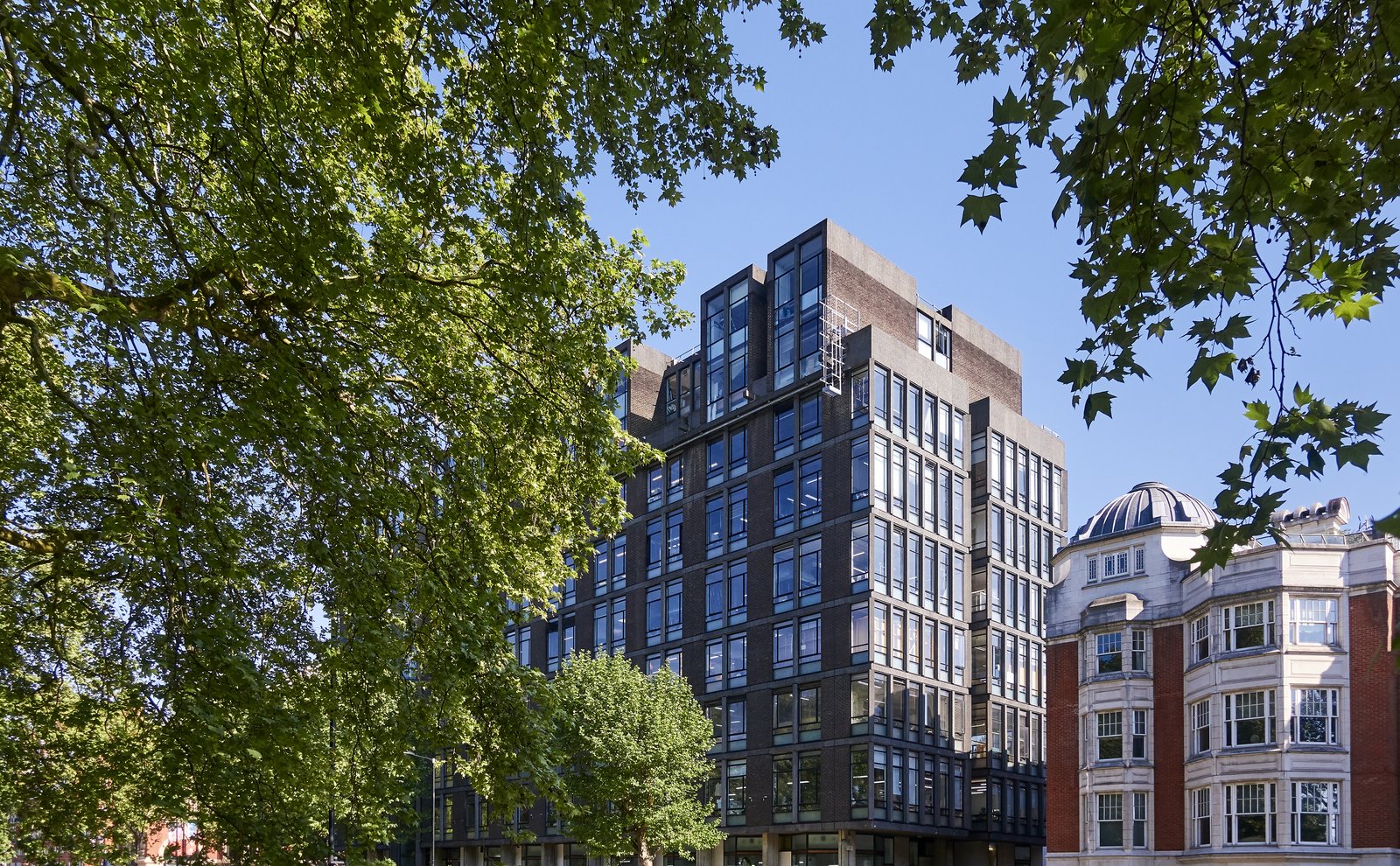
The Royal College of Art (RCA) was ranked the world’s number-one university for art and design for the ninth consecutive year in the 2023 QS World University Rankings by Subject. The results recognised its outstanding academic and industry reputation, with scores of 100% for academic reputation and 93.5% for employer reputation.
Dr Paul Thompson, Vice-Chancellor of the Royal College of Art, said:
'The fact that the RCA has been ranked as the top art and design university in the world for the past nine consecutive years is testament to the talent, flair and skill of our staff and students.'
He also highlighted the College’s focus on interdisciplinary research, knowledge exchange, innovation and world-leading teaching to address global challenges.
Founded in 1837 as the Government School of Design, the RCA received its Royal Charter and university status in 1967. Today, it is a specialist postgraduate institution dedicated to art, design, architecture, communication and related creative disciplines.
Through its research, teaching and partnerships, the College helps shape the future of the creative industries, supporting emerging designers and artists as they explore new ideas and develop innovative approaches to contemporary challenges.
The Royal College of Music (RCM) was ranked the world’s number-one institution for performing arts in the 2023 QS World University Rankings by Subject, retaining the position for a second consecutive year. It had also consistently ranked first in the UK since 2016.
Kevin Porter, Acting Director of the Royal College of Music, said:
'Ranked as the global No. 1 institution for performing arts for the second year is testament to our ongoing commitment to music education of the highest quality.'
He praised the dedication of the College’s teaching staff, professors and professional services teams in creating an exceptional learning environment.
The RCM is an international community of talented musicians, offering an extensive artistic programme of more than 500 events each year. These performances give students valuable experience in front of live audiences and opportunities to work with leading professional musicians.
Recent campus developments have expanded the College’s facilities, including a new performance hall, performance studio, café, courtyard and interactive museum. Together, these spaces support an environment where students can develop their skills, collaborate, research and perform.
The College attracts gifted musicians from across the world, many of whom go on to contribute to musical life as performers, composers, conductors, musical directors, teachers and artistic leaders.
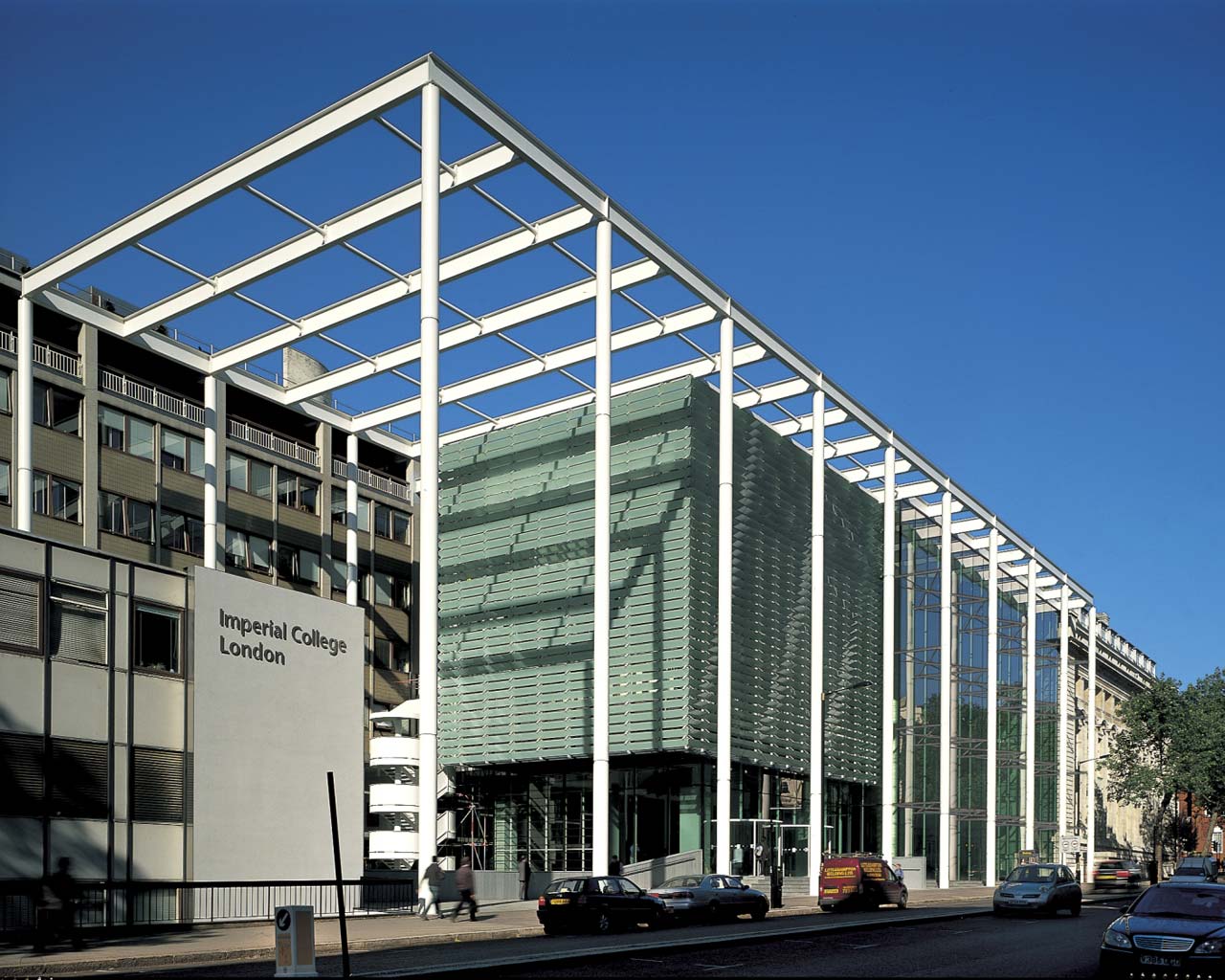
Imperial College London is internationally recognised for its work across science, engineering, medicine and business. In the 2023 QS World University Rankings, Imperial rose one place to sixth globally, reflecting its position among the world’s leading research-intensive universities.
The College also received recognition for its international outlook, highlighting its global community and collaborations with partners around the world.
This ranking followed several significant achievements. Imperial received strong results in the UK’s Research Excellence Framework, was awarded a Queen’s Anniversary Prize for its work during the COVID-19 pandemic, and was named University of the Year 2022 and University of the Year for Student Experience 2022 by The Times and The Sunday Times Good University Guide.
Imperial’s approach combines high-quality education with research and innovation intended to benefit society. Its work spans major global challenges, from healthcare and climate change to engineering, technology and the development of new scientific solutions.
Professor Alice Gast, former President of Imperial College London, said:
'The impact we have on society will always be more important than where we fall on a league table. We excel at teaching and research essential to addressing the global challenges of today and tomorrow.'
Imperial’s contribution to the COVID-19 response was recognised through its Queen’s Anniversary Prize. Staff from across different disciplines contributed to modelling, the development of treatments, vaccines and tests, and wider international efforts to address the pandemic.
These achievements demonstrate the importance of collaboration across disciplines and the role that universities can play in turning research into practical benefits for society.
South Kensington’s academic and cultural institutions form part of a wider district renowned for its contribution to arts, science, research and public learning.
Here, scientists, engineers, designers, musicians and artists work to advance knowledge, inspire new generations and explore ideas that can shape the future. The close presence of world-leading universities, museums and cultural organisations creates opportunities for collaboration across disciplines and brings research and creativity into public life.
Through exhibitions, performances, public programmes and research, the district connects specialist knowledge with wider audiences, welcoming millions of visitors each year.
South Ken Culture Quarter celebrates this unique combination of learning, creativity and discovery, making South Kensington an exceptional place to visit, study, work and live.
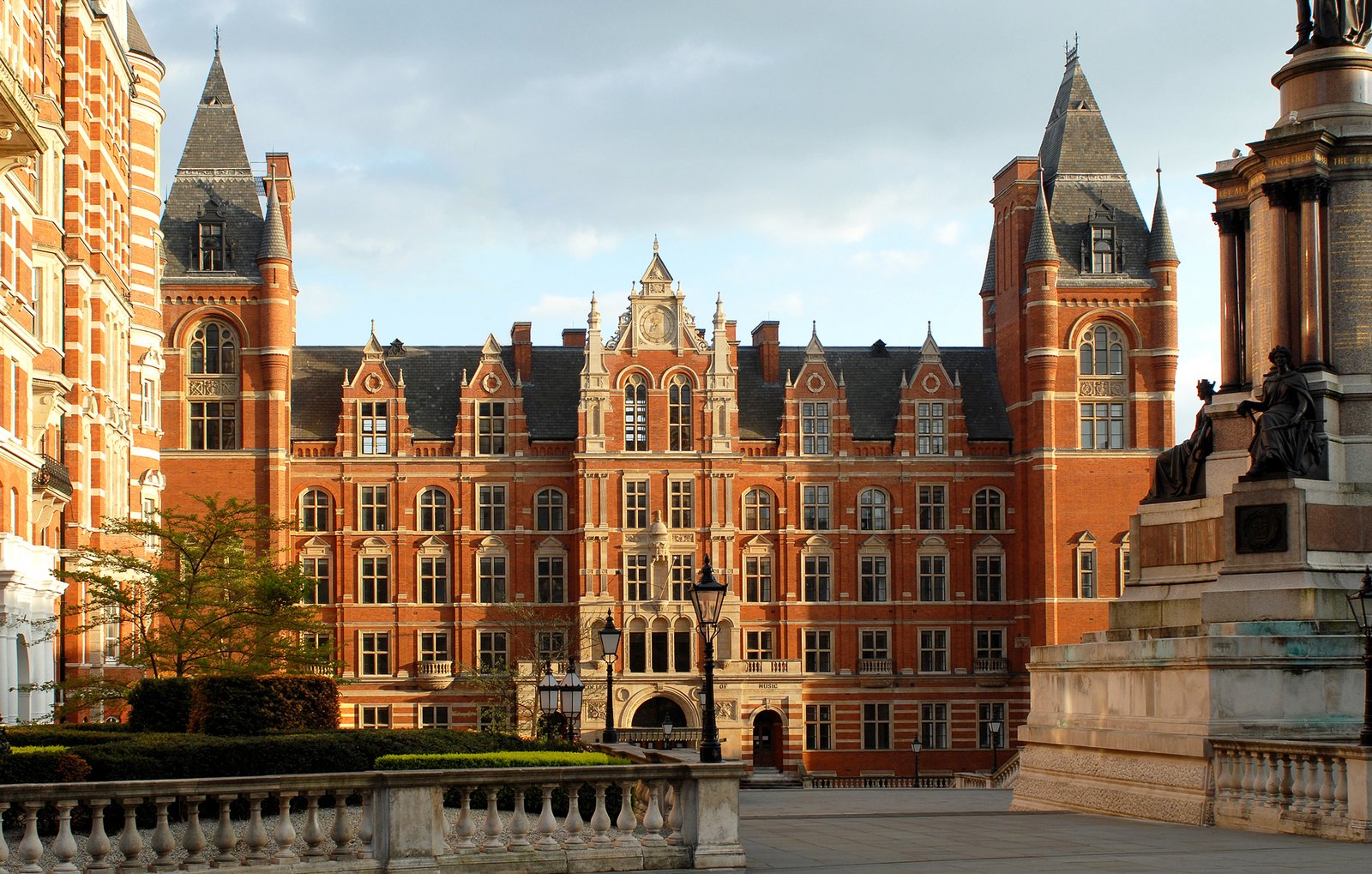
Royal College of Music, Credit Chris Christodoulou